 Outdoor Application
  Indoor Application
 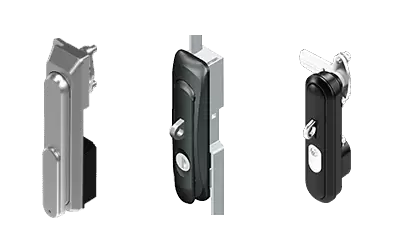 Swinghandle
 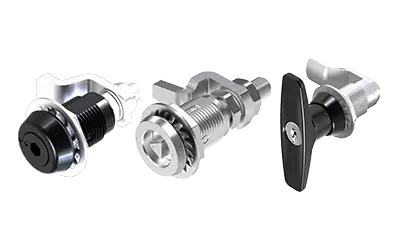 Compression Latch
 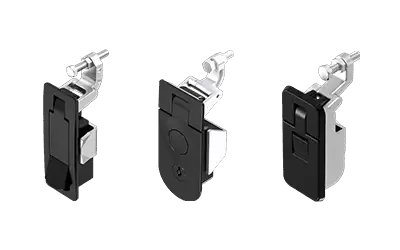 Lever Latch
 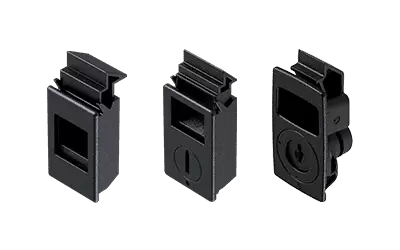 Snap-in Slide Latch
 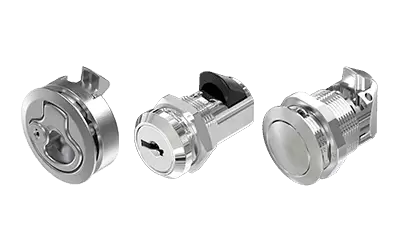 Push to close Latch
 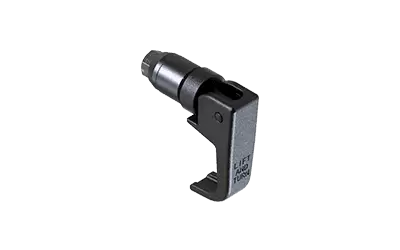 Swell Action Latch
 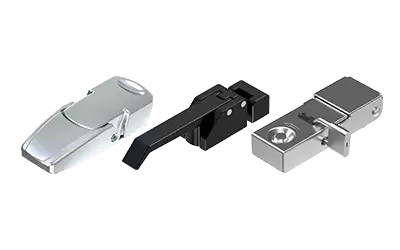 Over-center Draw Latch
 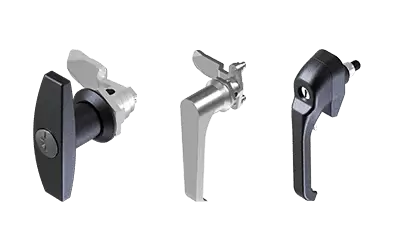 Handle Lock
 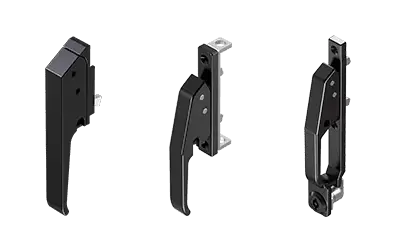 Lever Handle Lock
 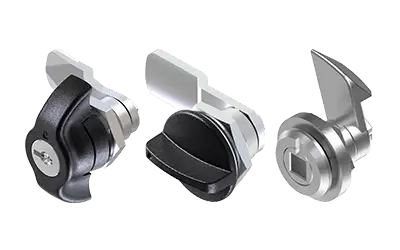 Quarter Turn Lock
 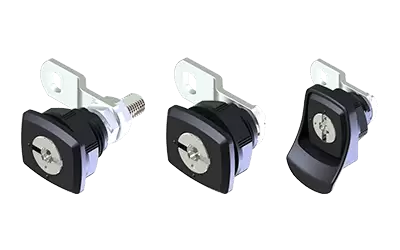 Vibration Resistant Quarter Turn Lock
 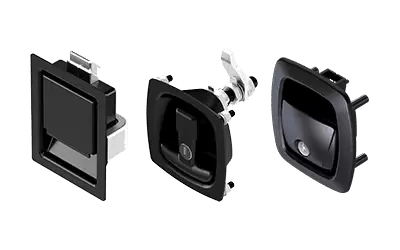 Paddle Latch
 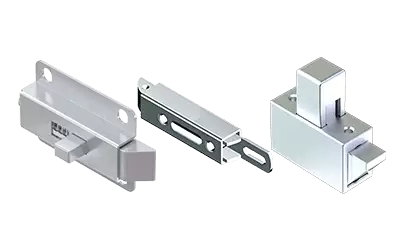 Slam-Lock
 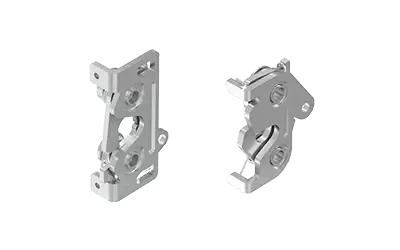 Rotary Latch
  Screw-On-Hinge
 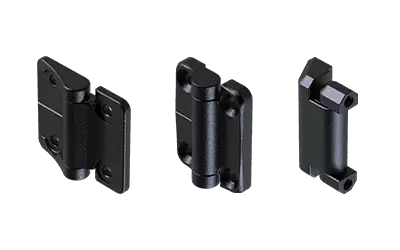 Torque Hinge
  Lift-off Hinge
  External Hinge
  Concealed Hinge
 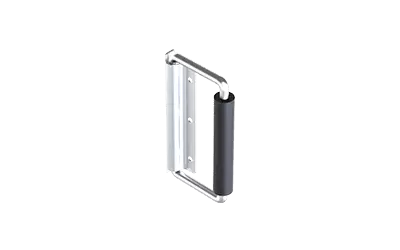 Spring Loaded Handle
 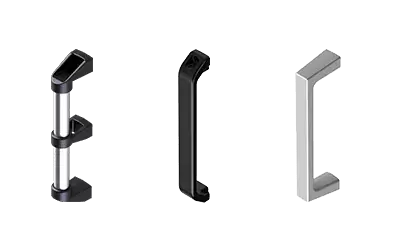 U shape Handle
 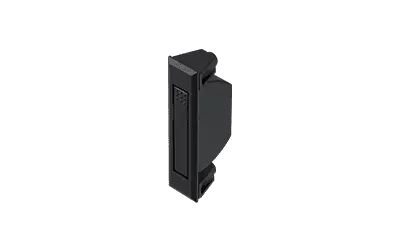 Concealed Pull Assembly
 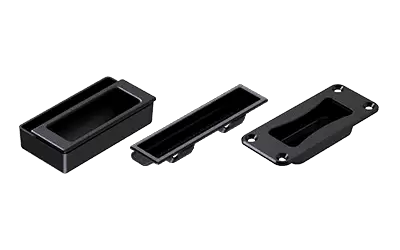 Pocket Pull
 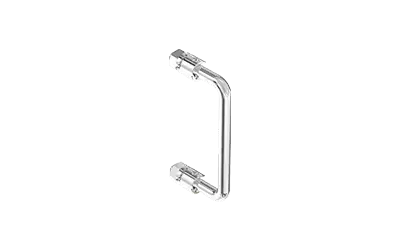 Foldable Handle
 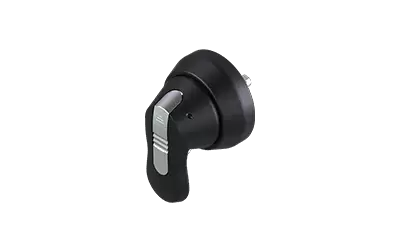 Handle
 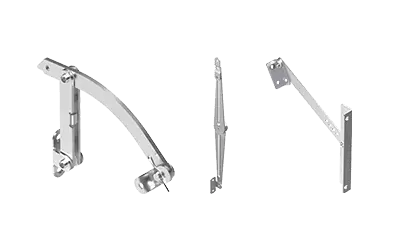 Cover Stay
 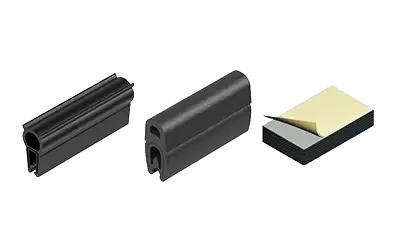 Gasketing
 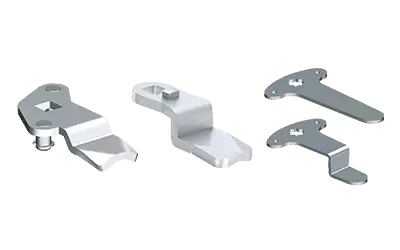 Cam
Cam 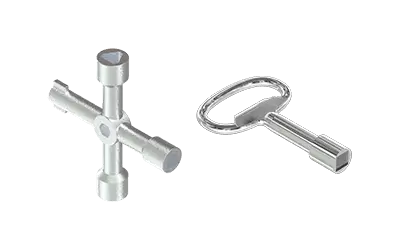 key
key 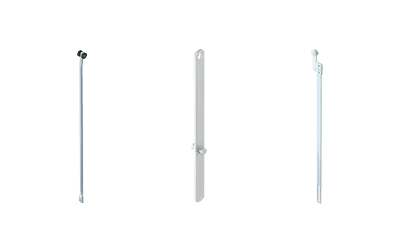 Rod
Rod 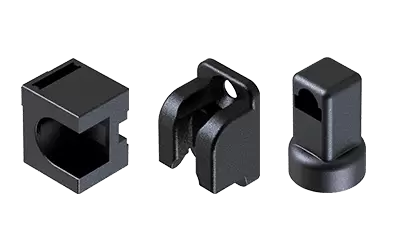 Rod Accesories
 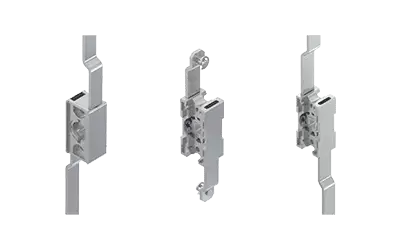 Rod Control
 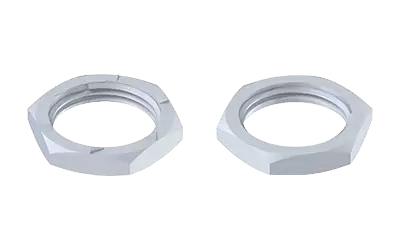 Nut
Nut 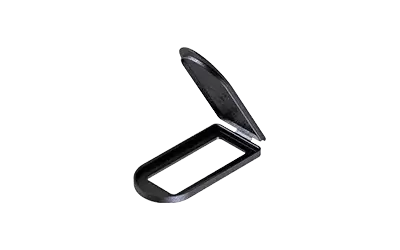 Dust Cover
 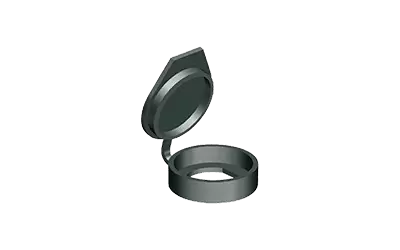 Dust Cap
 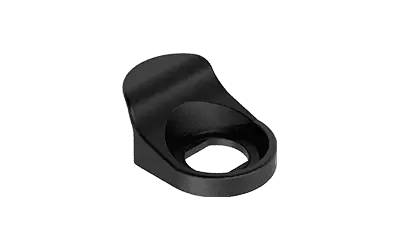 Pull Tab
  Flange Screw
  Ring
Ring  Profile Cylinder
 Online consultation
Inquiry/Presentation/Other

 1527 Series Electronic Swinghandle
  1518-R206-A20 Electronic Swinghandle
 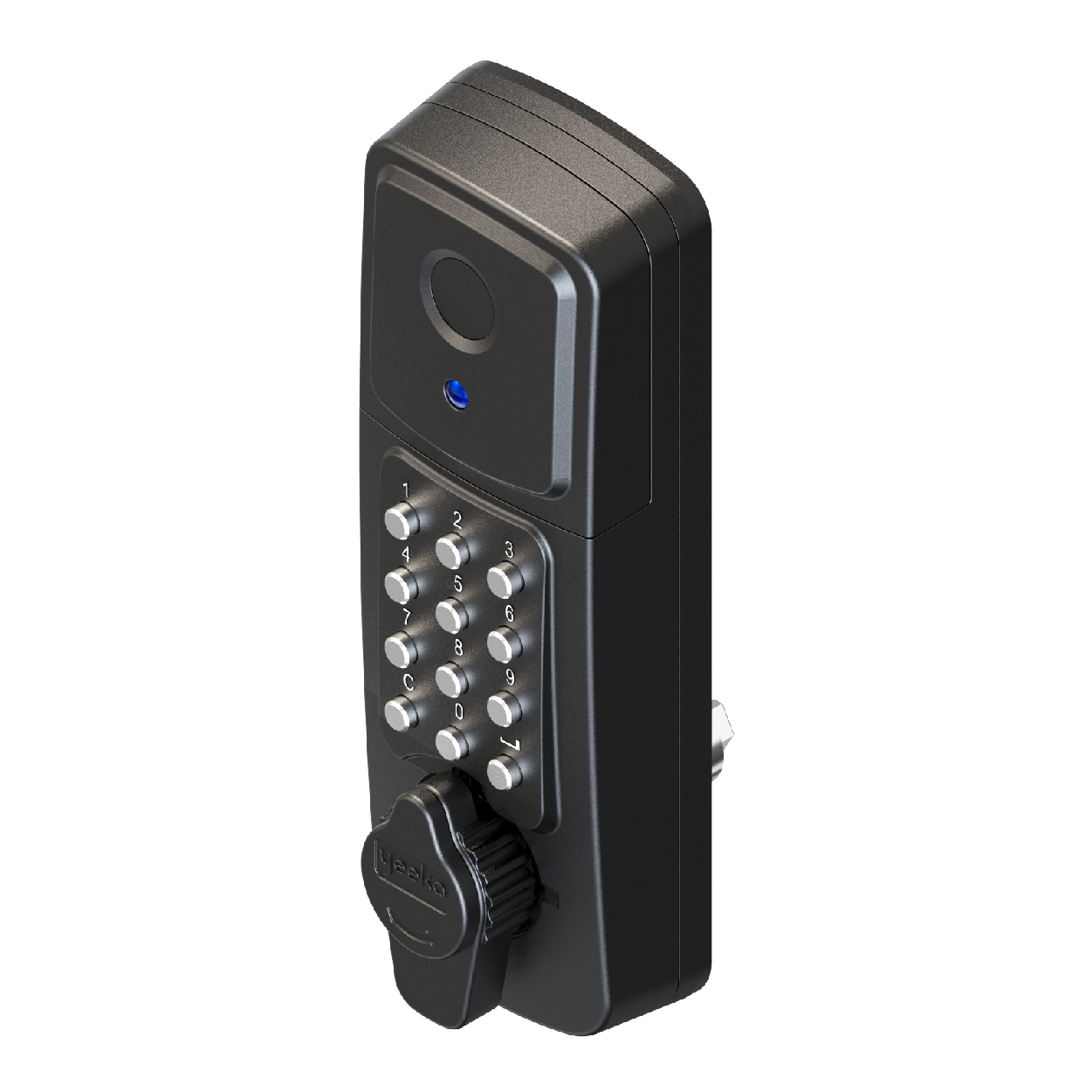 1517 Series Electronic Swinghandle
 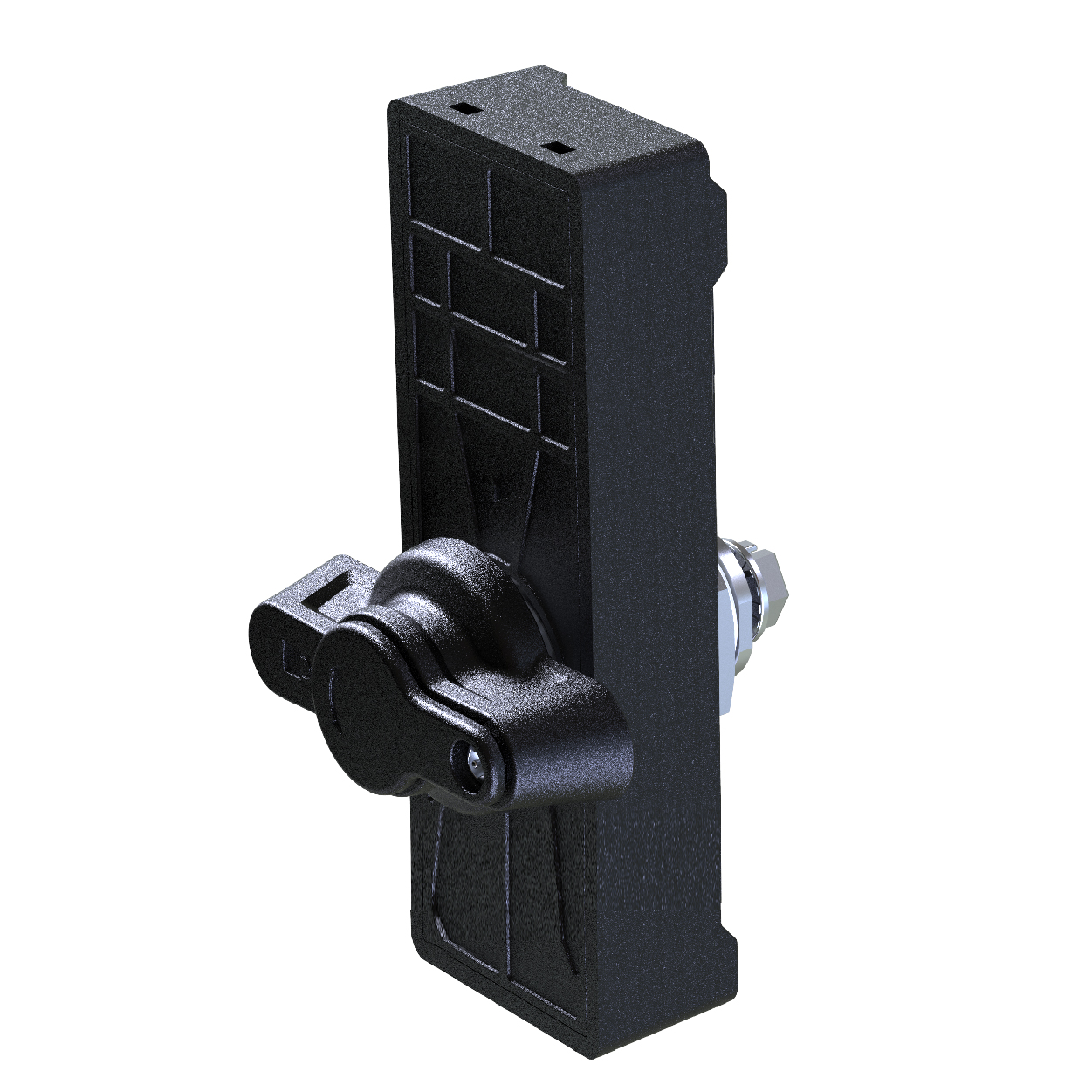 1516 Series Electronic Swinghandle
 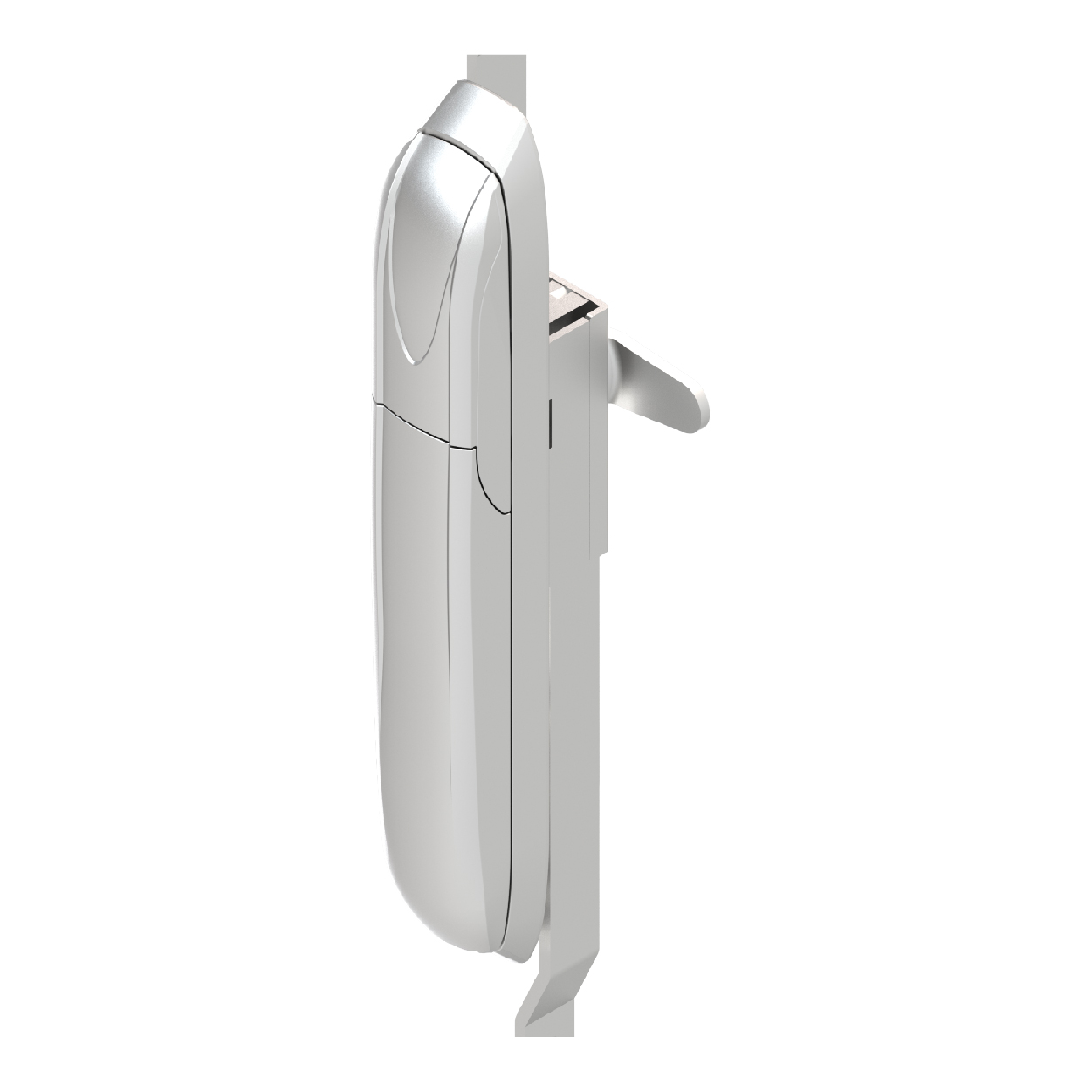 Rod Control Swinghandle 1150 Rod Control Type Series
  Paddle Latch 1710-B1 Series
  Paddle Latch 1710-B Series
 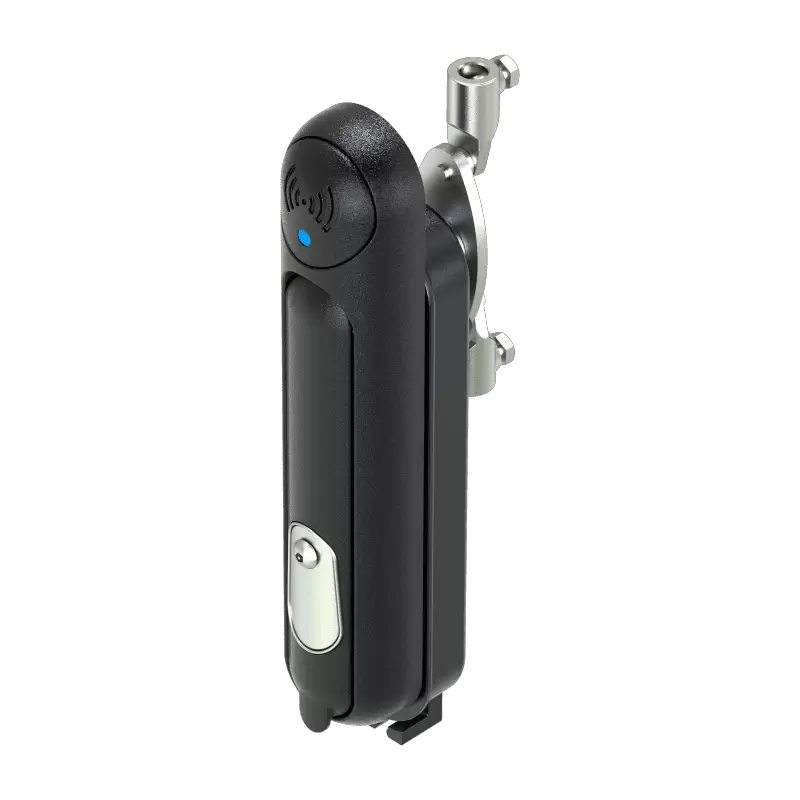 1518 Series Electronic Swinghandle
  1507 Series Electronic Swinghandle
As AIDC scale continues to expand and computing power density rises sharply, cabinet locks — a seemingly minor component — are becoming a key variable affecting operational efficiency and security compliance. Traditional cabinet lock management can no longer meet AIDC's stringent requirements for high security, intelligence, standardization, and traceability.

Three Major Challenges Facing Data/AI Computing Center Managers
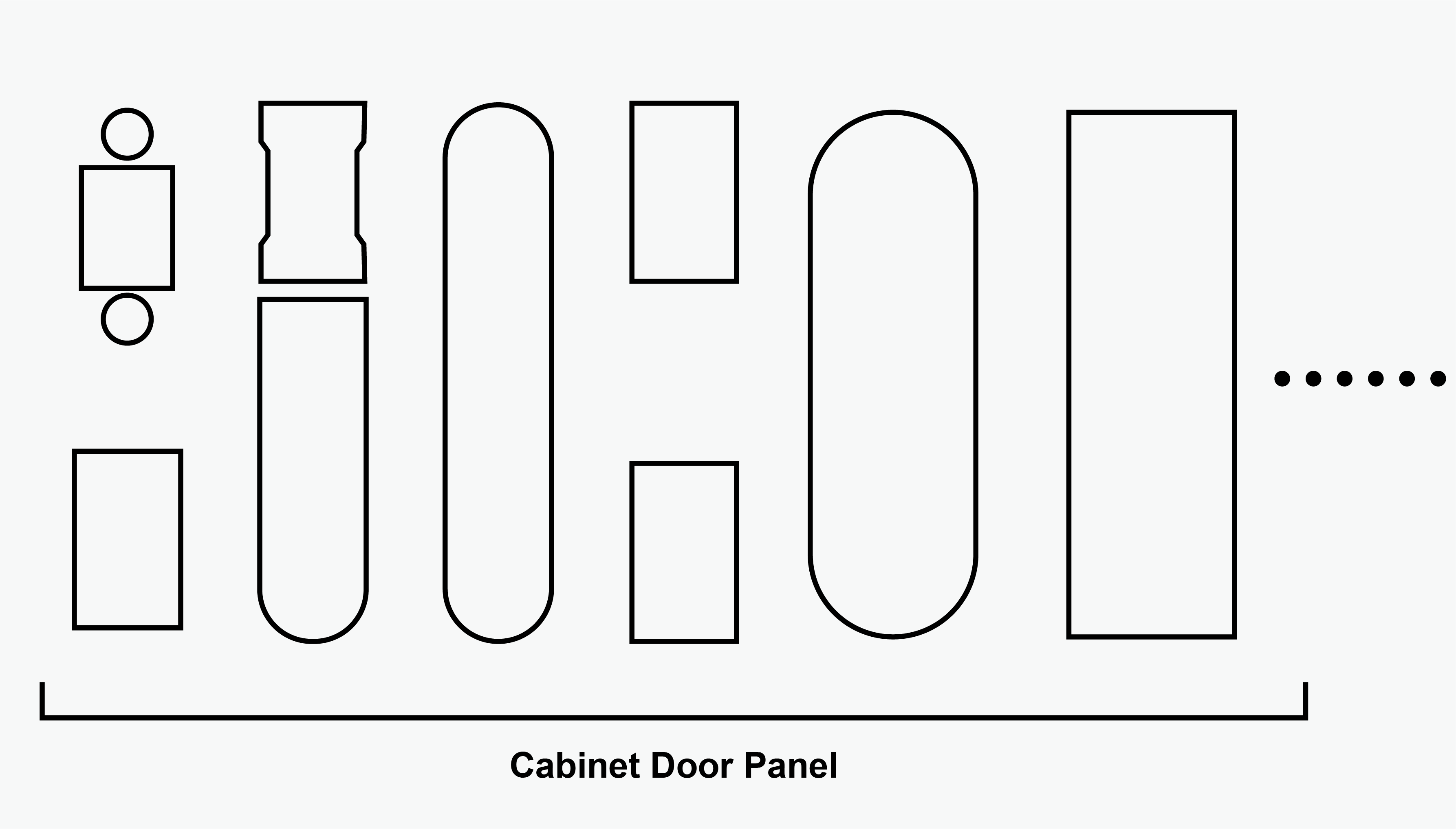
01 Inconsistent Cabinet Cutouts Hinder Lock Retrofitting and Upgrades
In data/AI computing center facilities, cabinet door lock cutout sizes and shapes vary due to differences in business applications and equipment procurement batches, and on-site cutting or drilling is generally not permitted at data/AI computing centers. This diversity restricts lock selection, installation, and upgrades at every turn — managers are forced to passively adapt to products for specific cutouts, making it difficult to unify the appearance, performance, and functionality of locks across different cabinets within the same facility, which seriously affects the overall consistency and standardization of cabinet management.
02 Shifting Management Models Raise the Bar for Physical and Data Security
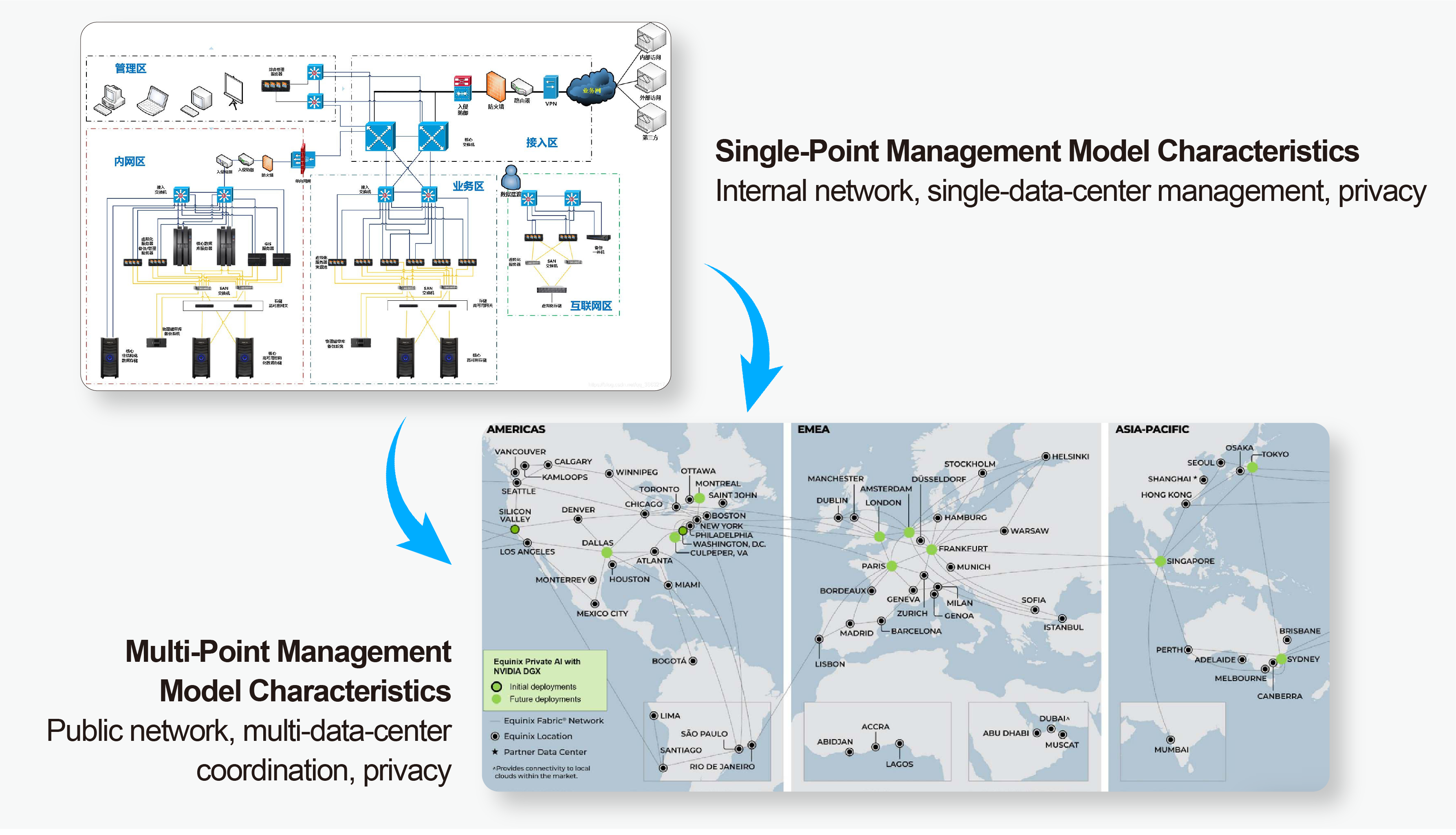
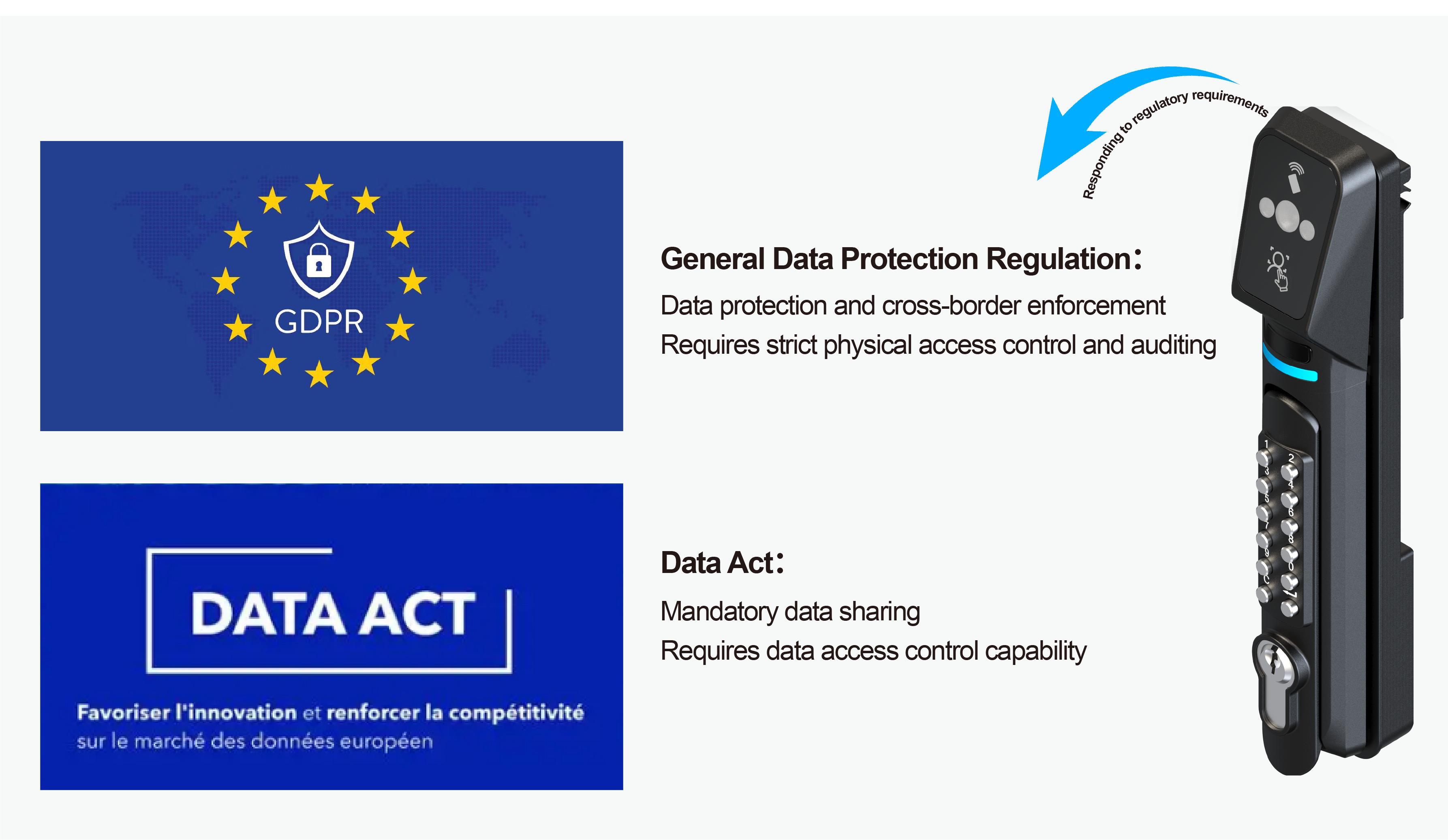
As AIDC develops rapidly worldwide, data/AI computing center management is shifting from single-point internal networks to multi-site coordination over public networks. GDPR imposes strict requirements on physical access control and auditing, and the EU Data Act has now formally taken effect, mandating that AIDC ecosystems have data access control capabilities. Traditional key management cannot achieve fine-grained permission allocation, automatic operation log recording, or individual accountability, making compliance risk increasingly prominent. Ordinary electronic locks, meanwhile, cannot meet GDPR's requirements for security and encryption.
03 Surging Maintenance Frequency: High-Density Computing Power Forces a Management Upgrade
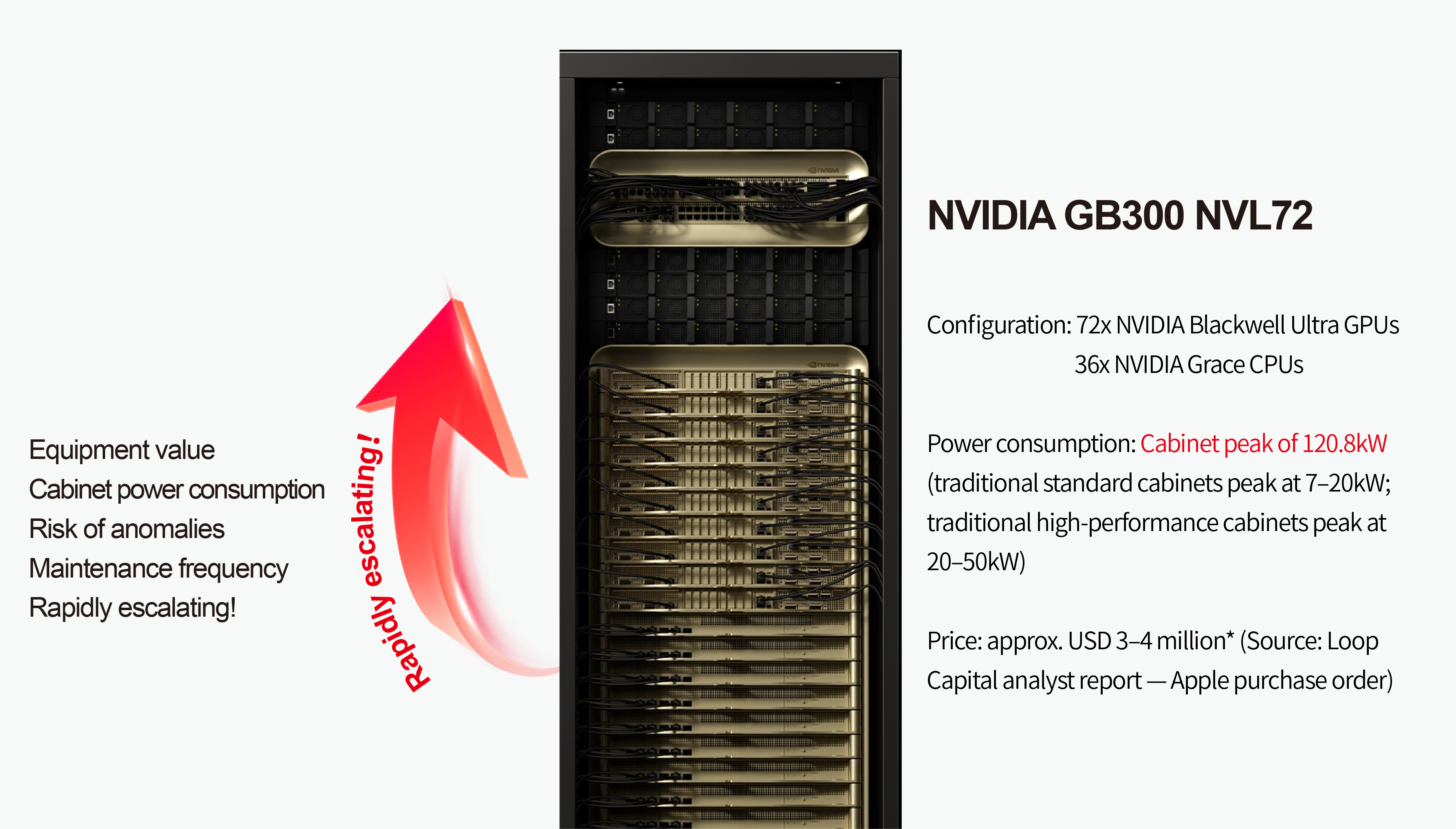
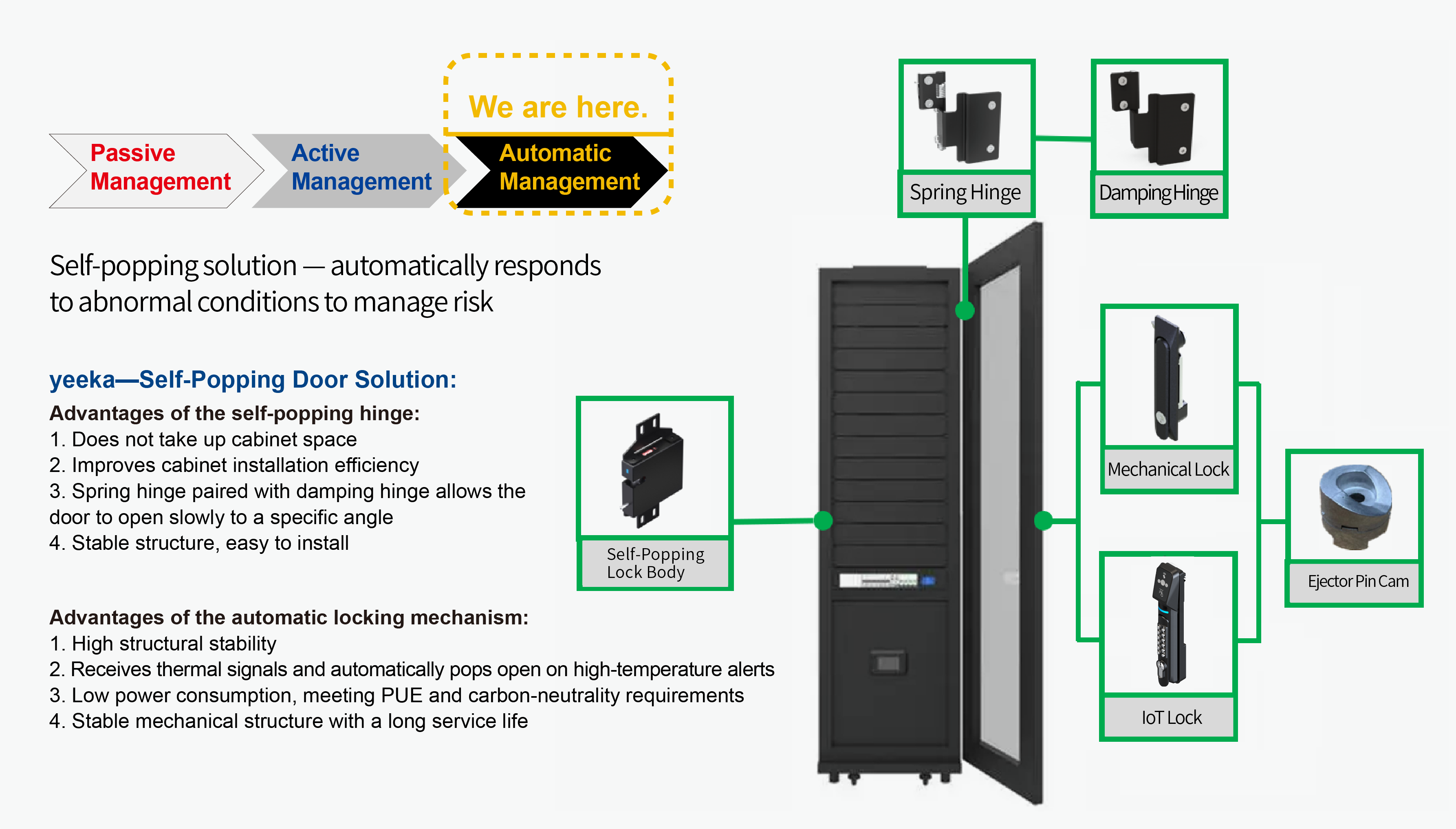
Take the NVIDIA GB300 NVL72 as an example — a single cabinet can draw up to approximately 120kW, with power density rising sharply. As equipment value keeps climbing, a single high-performance computing cabinet can be worth several million dollars, and the risk of abnormal events scales up accordingly — high power consumption means a higher risk of overheating, and a single-cabinet failure can cause losses far greater than with a traditional cabinet. Maintenance staff have less time to respond, and management complexity multiplies. Traditional locks cannot automatically release or be controlled remotely under abnormal conditions, severely limiting emergency response efficiency.
Self-Popping Cabinet Door Solution
Four Key Highlights, Precisely Addressing User Needs
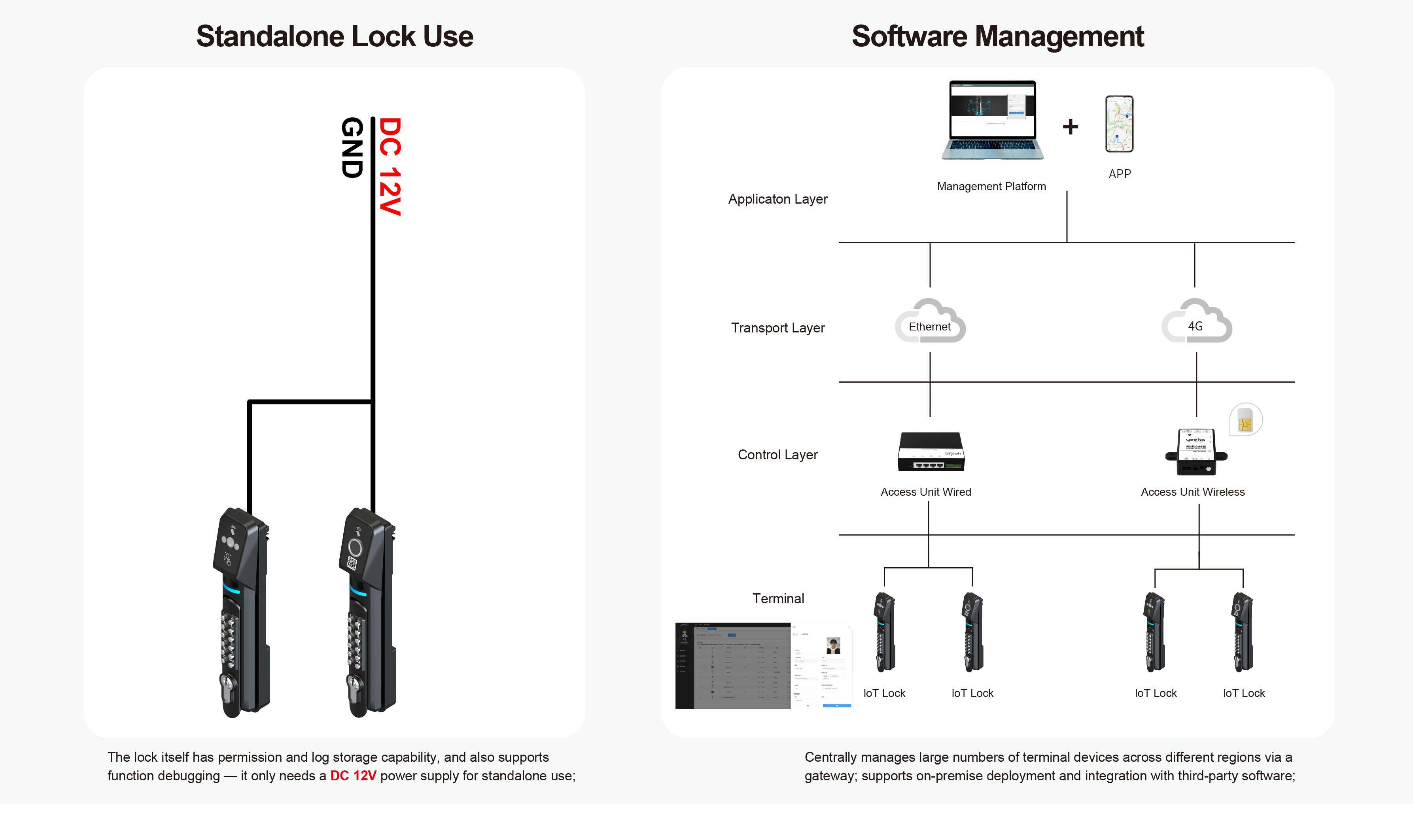
The 1527 series is an IoT lock product designed for high-security, intelligent scenarios such as data/AI computing centers, banks, and government facilities. It can be paired with bezel mounting for modification-free adaptation to different cabinet cutouts, and with a rod-linkage device for multi-point locking; it is compatible with multiple control methods including Modbus, Wiegand, and DO, and supports diverse combinations of unlocking methods — mechanical key, remote, password, card, fingerprint, Bluetooth, and facial recognition — along with four-color visual status feedback and offline storage of logs and permissions.
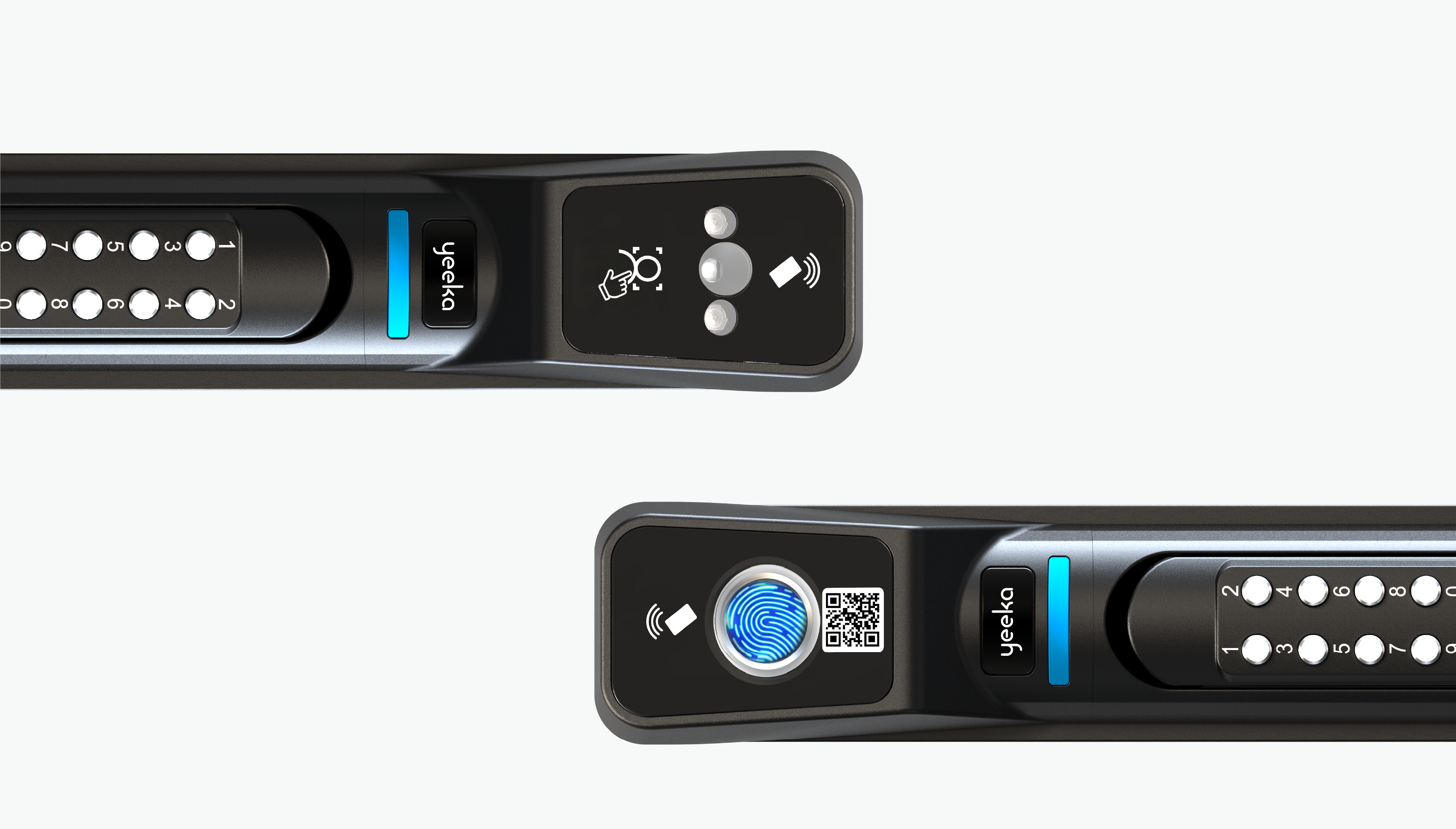
The 1527 series IoT lock is built around four core highlights, delivering a practical biometric smart locking solution for highly intelligent, high-security scenarios.
01 Modular Design: Lower Maintenance Costs, Higher Installation Efficiency
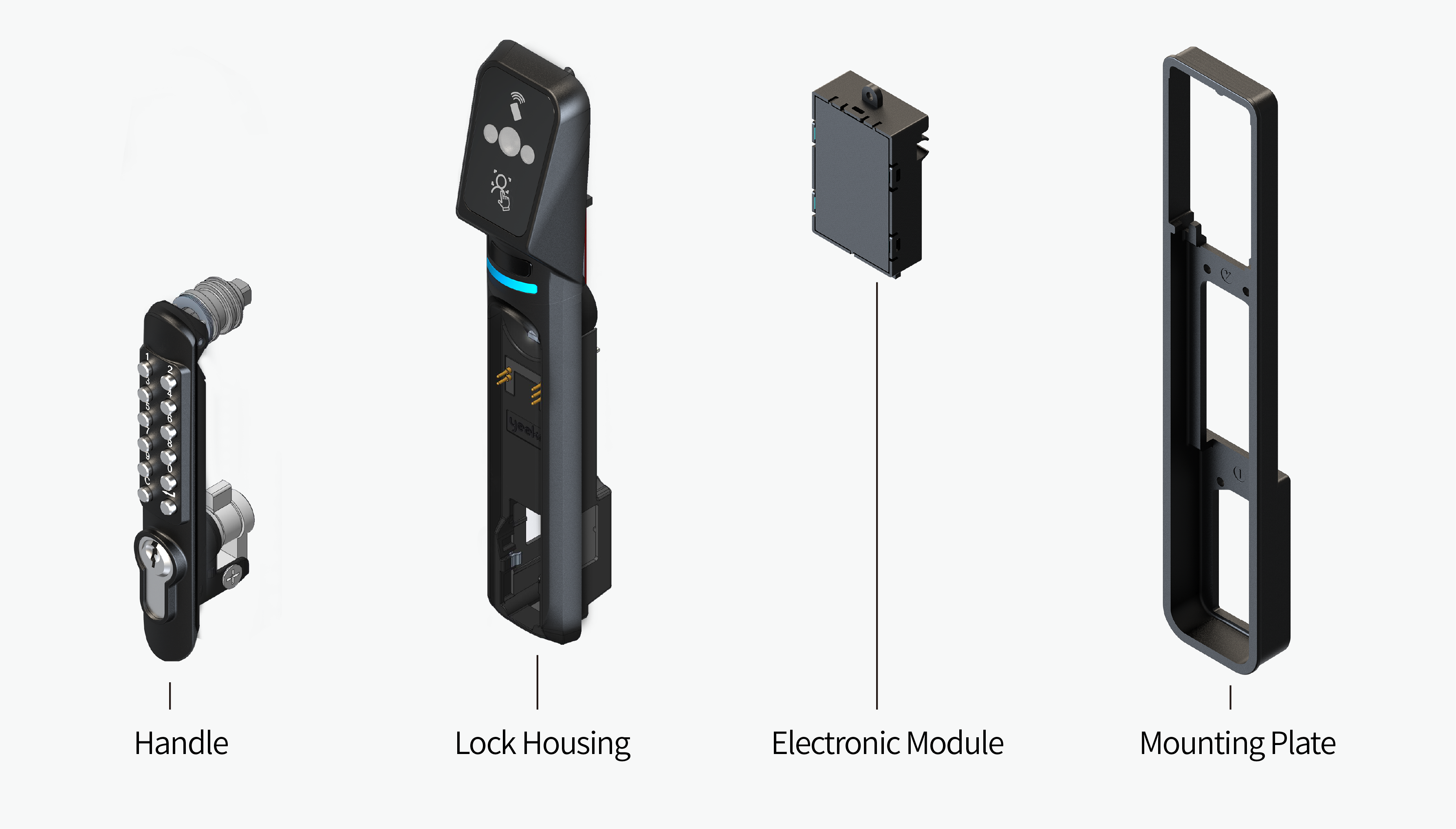
The 1527 series IoT lock separates the electronic module from the lock body. When the electronic components need maintenance or upgrading, there's no need to remove the entire lock — only the corresponding module needs to be replaced. This significantly shortens on-site maintenance time and eases the pressure on spare parts inventory. At the same time, the lock body and electronic components can be pre-installed separately, simplifying the on-site installation process — particularly well-suited to large-scale deployment projects at data/AI computing centers.
02 High-Security-Level Authentication: Seamless Facial Verification for Safer Data and Faster Unlocking
Security is the primary mission of any cabinet lock.
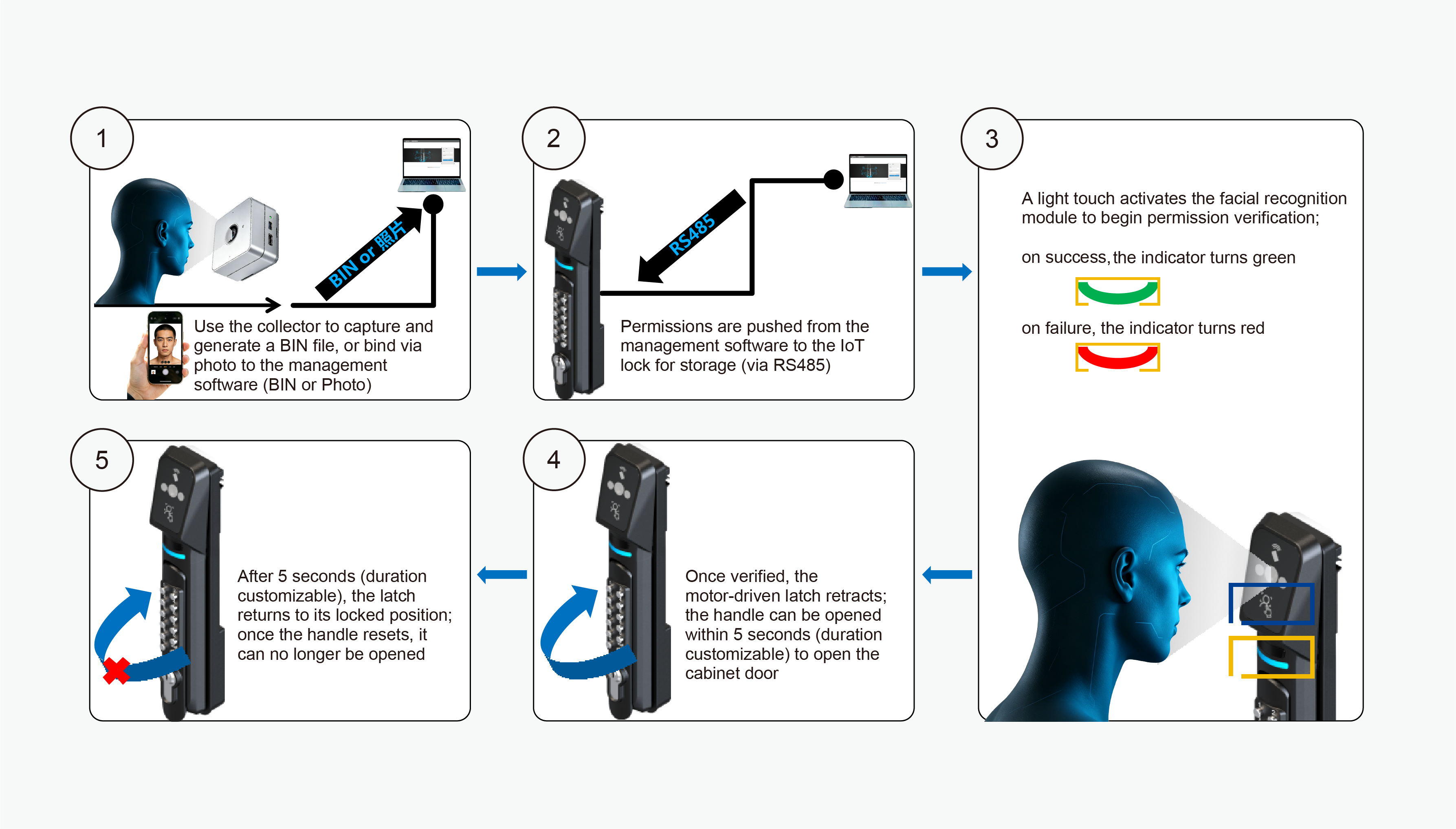
The 1527 series IoT lock supports fast, seamless facial verification — a light touch activates the facial recognition module, and once verification succeeds, the latch retracts automatically, allowing smooth opening with the ergonomic handle. The entire process requires no contact and no waiting, significantly improving unlocking efficiency.
On the data security front, the facial recognition module features high-security-level authentication, effectively guarding against spoofing attacks using photos or videos. Permissions and logs support offline storage, so authentication and record-keeping continue to function even when the network is down — ensuring every unlocking event is traceable and meeting the strict physical access audit requirements of GDPR and the EU Data Act.
03 High Expandability: Bezel Mounting Adapts to Any Cutout Without Modification, Flexibly Connects to Any System
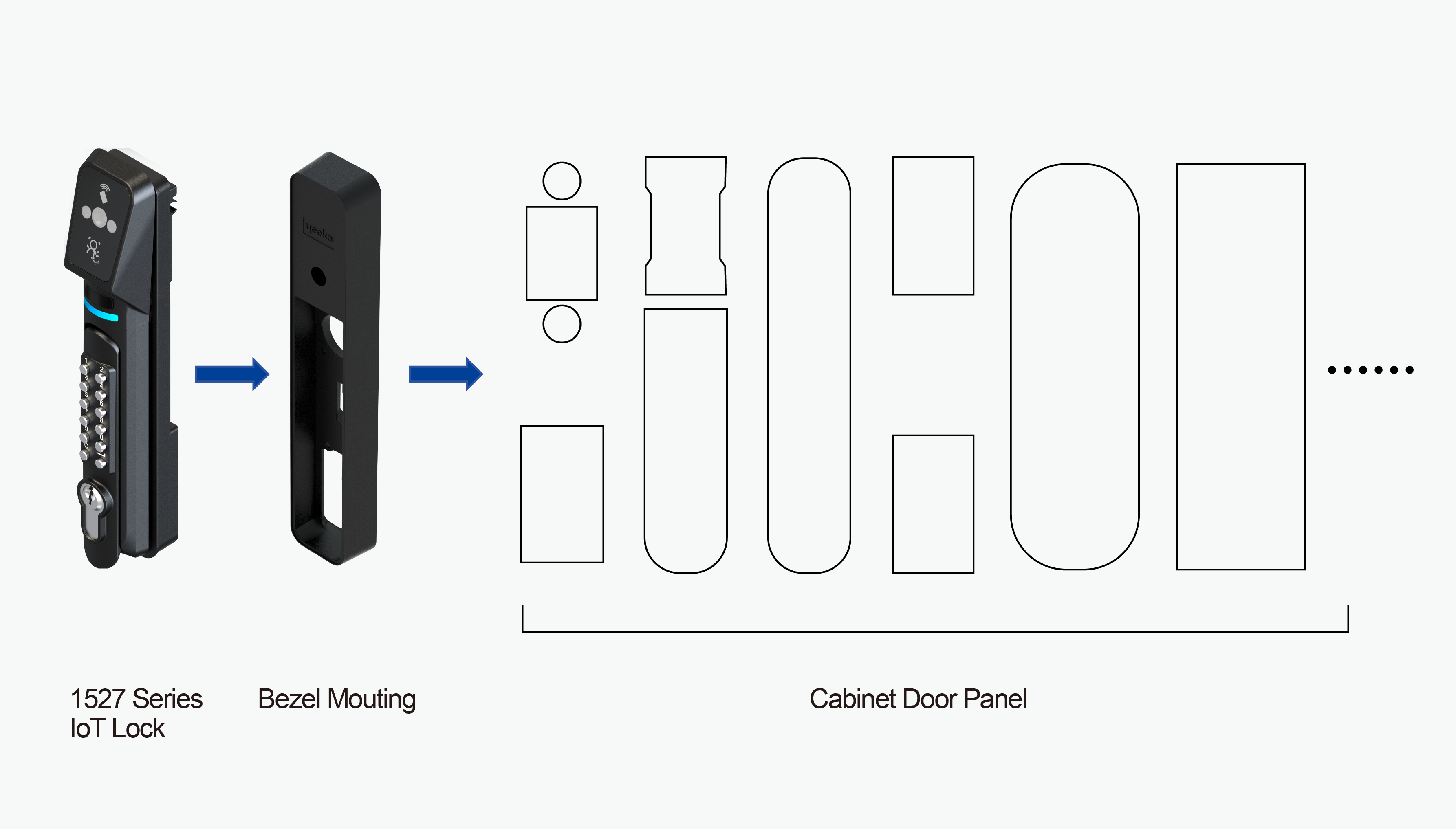
To address the real-world obstacle of inconsistent cabinet cutouts, the 1527 series IoT lock uses an innovative floating mounting device to flexibly adapt to cabinet cutouts of various specifications, without any cutting or drilling. The mounting plate and card plate are integrated into a single unit, supporting both card-plate and card-plate-free installation modes to cover standard and non-standard scenarios, significantly reducing retrofit costs and installation time.
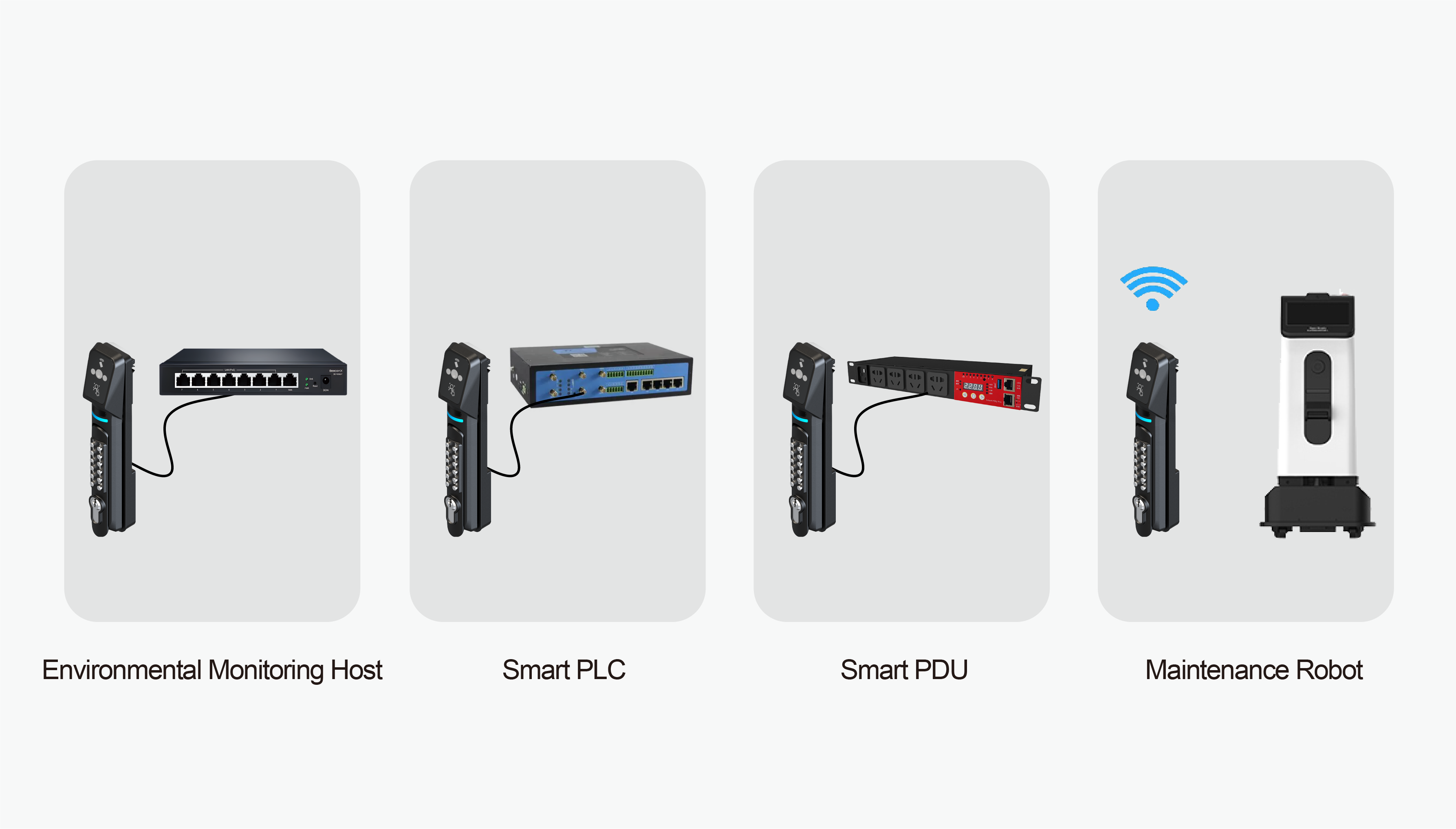
On the system integration front, the 1527 series IoT lock is compatible with multiple control methods including Modbus, Wiegand, and DO, and can be converted to Ethernet protocols such as MQTT/SNMP via companion accessories, enabling easy integration with third-party systems such as smart PDUs, environmental monitoring hosts, and maintenance robots. Whether for new-build data/AI computing centers or retrofits of existing facilities, it can flexibly integrate into the existing management architecture.
04 Efficient & Reliable Structural Design: Ergonomic Handle, Precision Structure for Greater Durability
The reliability of a lock is directly tied to the physical security of the cabinet.
The 1527 series IoT lock adopts a precision structural design, with a stable and efficient motor-driven mechanism paired with a high-security European-standard lock cylinder, ensuring long-term stable operation through continuous opening and closing cycles.
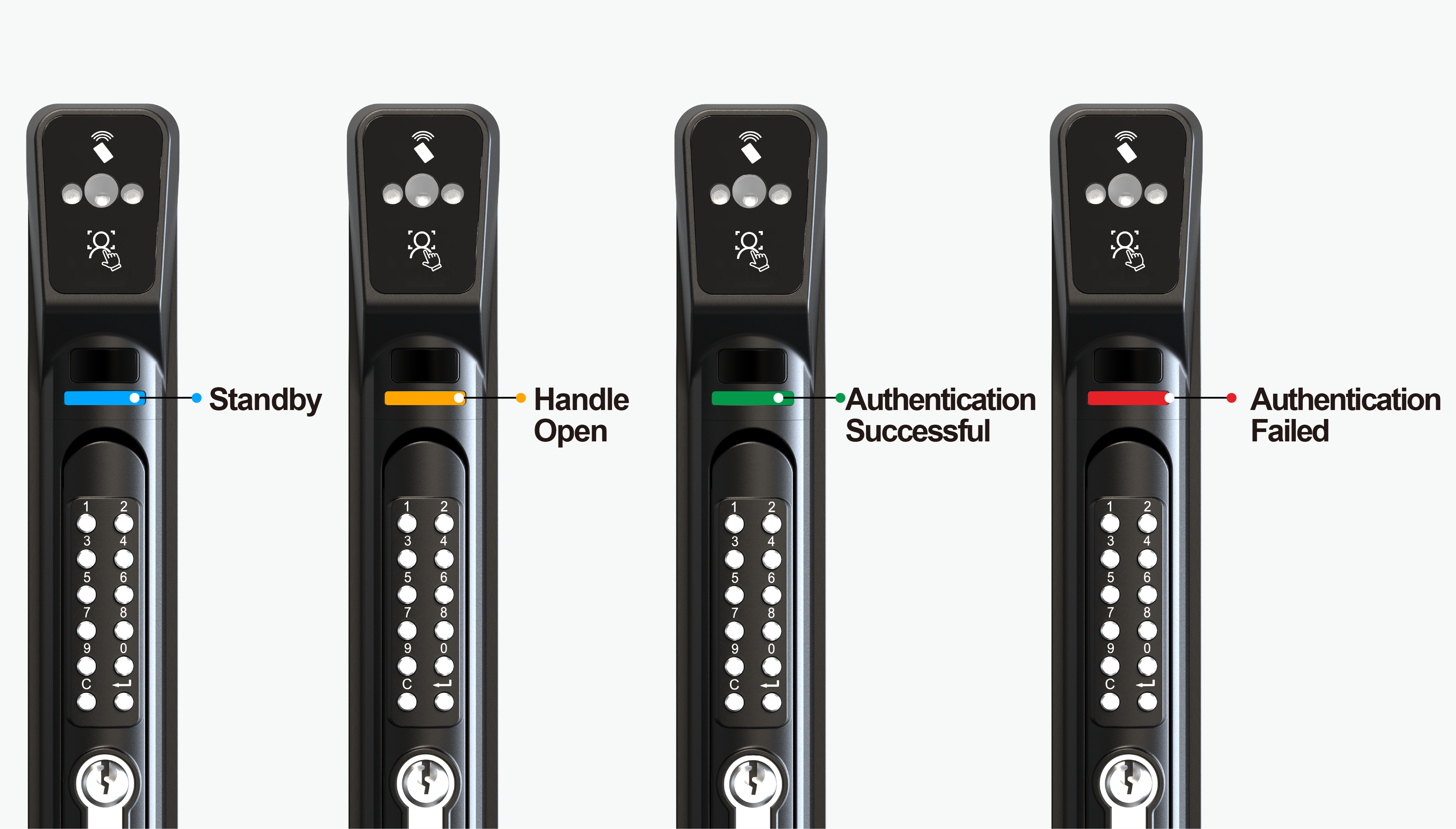
The handle follows ergonomic design principles for a comfortable grip and effortless opening, reducing fatigue for maintenance staff during long-term operation. An anti-loosening wiring structure effectively prevents connection loosening caused by vibration or frequent opening and closing. The four-color audible/visual feedback makes the lock's status instantly visible — green for access granted, red for alert — allowing maintenance staff to quickly assess authentication results without any extra steps.
Broad Applicability, Full-Scenario Coverage
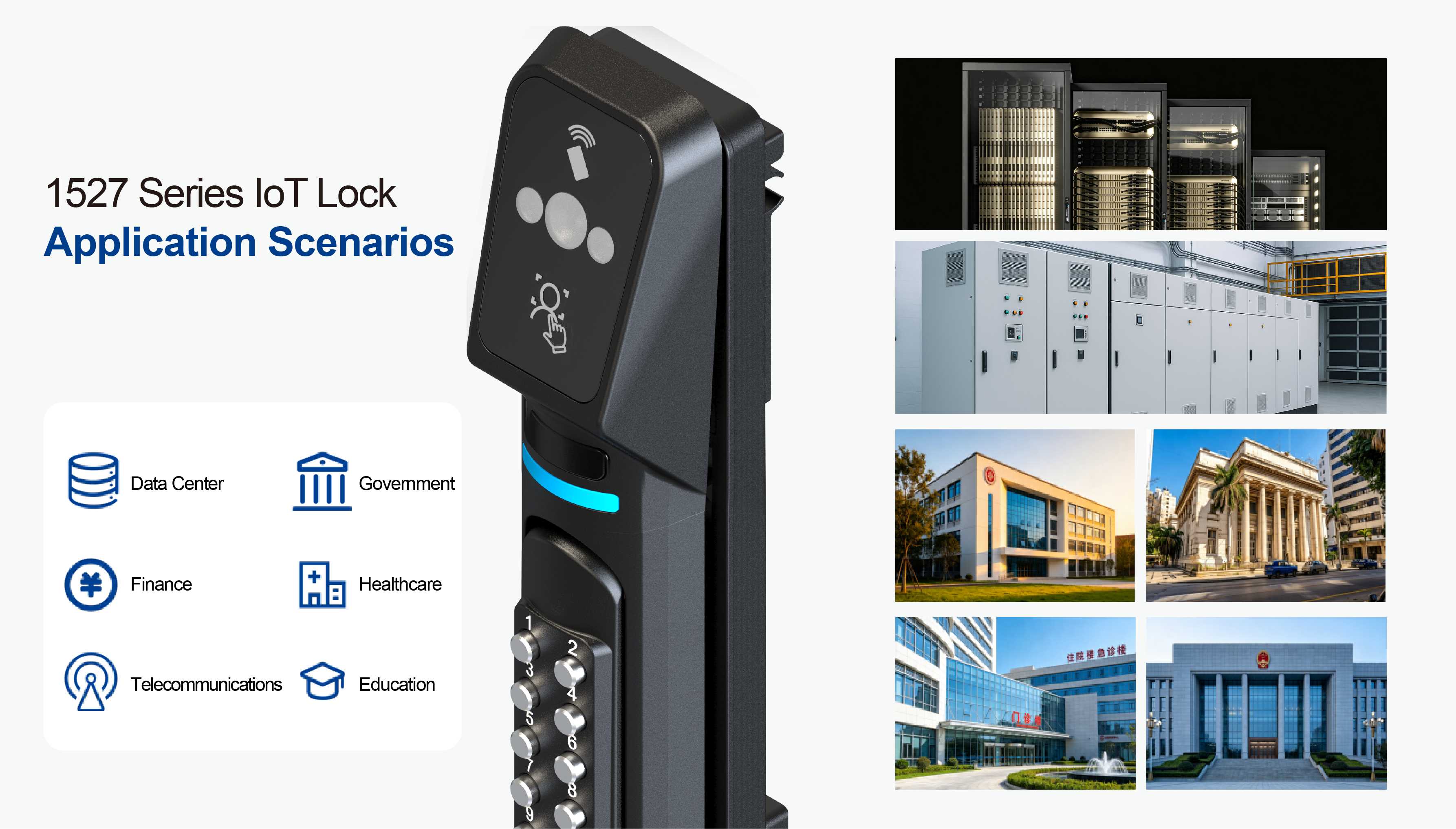
The 1527 series IoT lock is suited to data/AI computing center scenarios that demand high intelligence and high security, and can be widely applied across data/AI computing centers, financial and banking institutions, hospitals, telecommunications, schools, government agencies, and many other settings. Whether for server cabinets, power distribution cabinets, or various industrial cabinets, the 1527 series delivers a reliable, intelligent, and secure biometric smart locking solution.




Yeeka WeChat Official Account
 Return to List